Overview of Self‑Guided Bike Tours in New Zealand
New Zealand’s self‑guided bike tours blend scenic coastlines and rail paths. Popular routes include the Twin Coast Cycle Trail, the Alps 2 Ocean Cycle Trail, and the Otago Central Rail Trail; Riders can rent e‑bikes or bikes, enjoy cafés, and explore remote villages.
Definition and Popularity
Self‑guided bike tours in New Zealand are independent cycling adventures where riders select routes, manage logistics, and explore at their own pace. The concept emerged as a response to growing demand for flexible, immersive travel experiences that allow cyclists to immerse themselves in the country’s diverse landscapes—from rugged coastlines to historic rail corridors—without the constraints of guided groups. Popularity has surged in recent years, driven by several factors. First, the proliferation of high‑quality bike‑friendly infrastructure, such as the Twin Coast Cycle Trail’s 140 km loop connecting Whangarei to Kaikohe, offers scenic, well‑maintained paths suitable for all skill levels. Second, the rise of e‑bike rentals has lowered the barrier to entry for less experienced riders, enabling them to tackle longer distances with less physical strain. Third, the tourism industry’s emphasis on sustainable travel has positioned cycling as an eco‑friendly alternative to motorised tours, attracting environmentally conscious travelers. Finally, social media and online travel communities have amplified word‑of‑mouth recommendations, showcasing vivid imagery of coastal sunsets, historic railway bridges, and local cafés along routes like the Alps 2 Ocean Cycle Trail. Together, these elements have cemented self‑guided cycling as a mainstream, sought‑after activity for both domestic and international visitors seeking authentic, flexible exploration of New Zealand’s natural beauty Cyclists enjoy local cafés, scenic viewpoints, and relaxed coastal towns all now
Key Regions for Cycling
New Zealand’s cycling appeal is concentrated in a handful of distinct regions, each offering unique terrain, heritage, and scenery. The Northland and Bay of Islands area hosts the Twin Coast Cycle Trail, a 140 km loop that weaves between Whangarei and Kaikohe, passing through historic towns, sandy beaches, and the newly built Hundertwasser centre in Kawakawa. The Alps 2 Ocean Cycle Trail, spanning the South Island’s west coast, connects the rugged West Coast to the alpine valleys of the Southern Alps, providing riders with dramatic mountain views and the chance to ride along former railway corridors. In Otago, the Otago Central Rail Trail stretches 150 km from Alexandra to Ranfurly, following the track of the old Central Otago Railway and offering a blend of pastoral farmland, historic stations, and the scenic Clifden to Beech Forest Trail, which links the picturesque town of Clifden to the lush Beech Forest. The Banks Peninsula Cycle Trail, a 60 km loop around Lyttelton Harbour, features coastal cliffs, volcanic landscapes, and charming fishing villages. Each region combines well‑maintained paths, reliable accommodation, and abundant local cafés, making them ideal for self‑guided adventures. Cyclists also discover vibrant markets, historic sites, and breathtaking vistas at night.
Planning Your Self‑Guided Ride
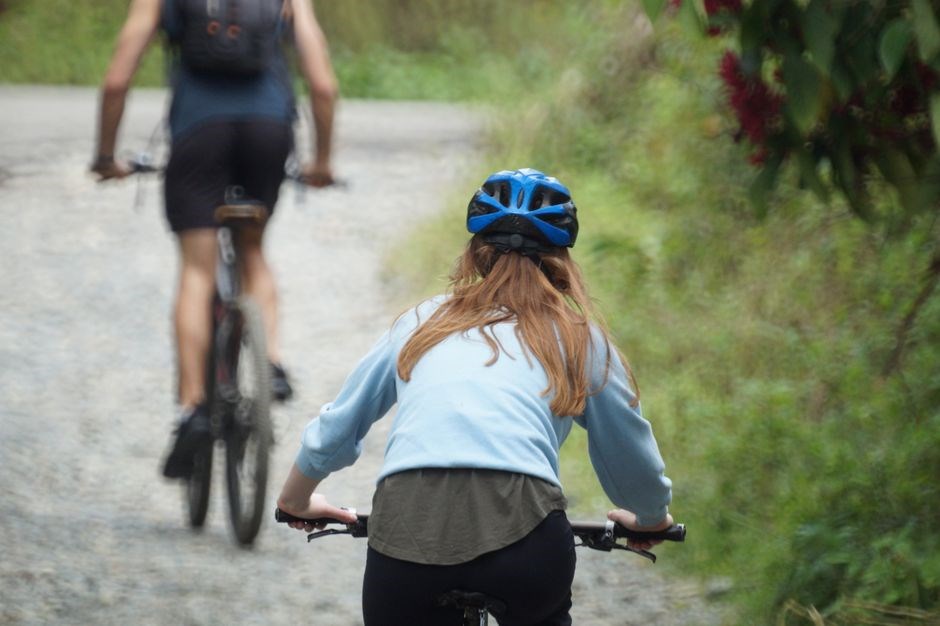
Select a trail that fits your fitness level and budget. Reserve bikes ahead, choosing e‑bikes for easier climbs. Plan stops at cafés, scenic lookouts, and historic towns. Monitor weather, pack layers, and stay hydrated. and now!
Choosing the Right Trail
When selecting a self‑guided route, consider distance, terrain, and scenery. The Twin Coast Cycle Trail offers 200 km of coastal views, gentle gradients, and easy access to cafés in Kawakawa and Opua. For a more adventurous ride, the Alps 2 Ocean Cycle Trail spans 250 km through alpine valleys, requiring a moderate fitness level and the option to rent e‑bikes for steep sections. The Otago Central Rail Trail, 200 km long, follows a former railway line, providing flat, gravel paths and historic stations, ideal for leisurely exploration. Check local rental shops for bike types—standard, touring, or e‑bike—and confirm availability before booking. Plan your stops around public restrooms, scenic lookouts, and local eateries to break up long stretches. Weather plays a crucial role; early spring brings unpredictable showers, while summer offers sunny, cooler days. Always carry a rain jacket, layers, and a water bottle. Map out the trail using official guides or GPS apps, marking key points such as trailheads, parking spots, and emergency contacts. Finally, review the trail’s difficulty rating and adjust your itinerary to match your cycling experience, ensuring a safe and enjoyable adventure. Riders should also verify trail maintenance schedules, as occasional roadworks or seasonal closures can alter the route, ensuring a smooth safe journey!
Bike Rental and Gear Options
New Zealand’s bike‑rental market offers many options for self‑guided riders. Shops in Kaikohe, Queenstown, and Dunedin provide trail bikes, hard‑tail mountain bikes, and e‑bikes. Rentals run 24‑ to 72‑hour blocks, with discounts, multi‑day. Prices range from NZ$45 for a basic bike to NZ$90 for an e‑bike, helmet and lock. Some operators add a GPS unit and insurance for a fee.
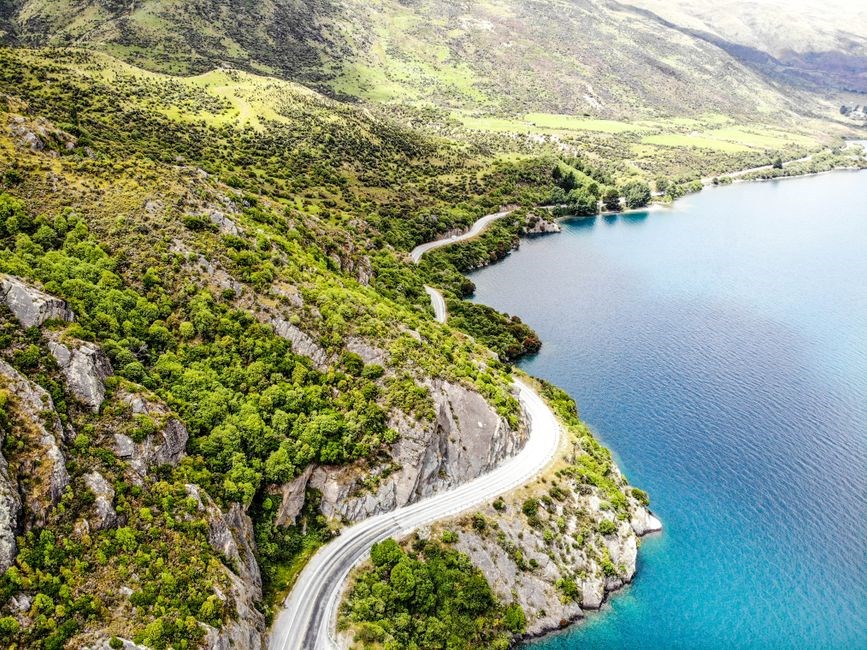
Gear advice includes a helmet, front and rear lights, a pannier or bike‑packing bag, and a spare inner tube kit. For longer rides, a hydration bladder and rain jacket are essential. E‑bike riders should check battery range; most models cover 80–120 km on a single charge, but weather can reduce efficiency. Carry a multi‑tool, patch kit, and tire lever.
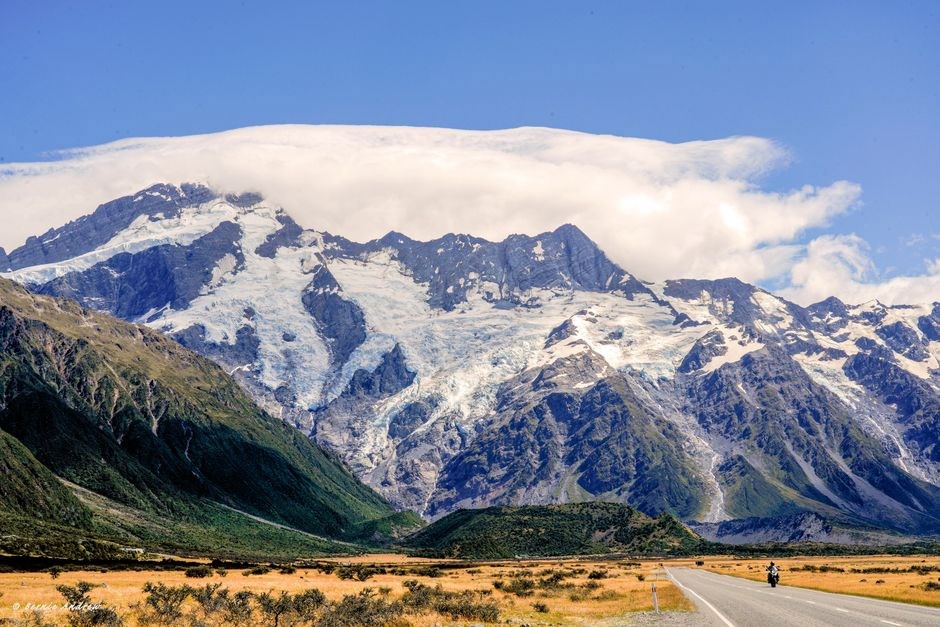
Choose a bike that matches the trail surface. Gravel paths favor a hard‑tail with 35‑mm tires; paved routes suit a hybrid with 28‑mm wheels. Alpine sections may need a mountain bike with 2‑in‑1 suspension. Shops often offer a fitting to adjust seat height and handlebar position. Confirm the return policy: most shops require a deposit and will inspect the bike for damage before refunding.
Many outlets also provide accessories such as child seats, trekking racks, or a child‑bike, letting families join without buying gear. Some shops give a map highlighting landmarks, rest stops, and emergency points. Before departure, riders should check brakes, chain lubrication, and avoid mechanical problems on stretches.
Optimal Timing and Weather
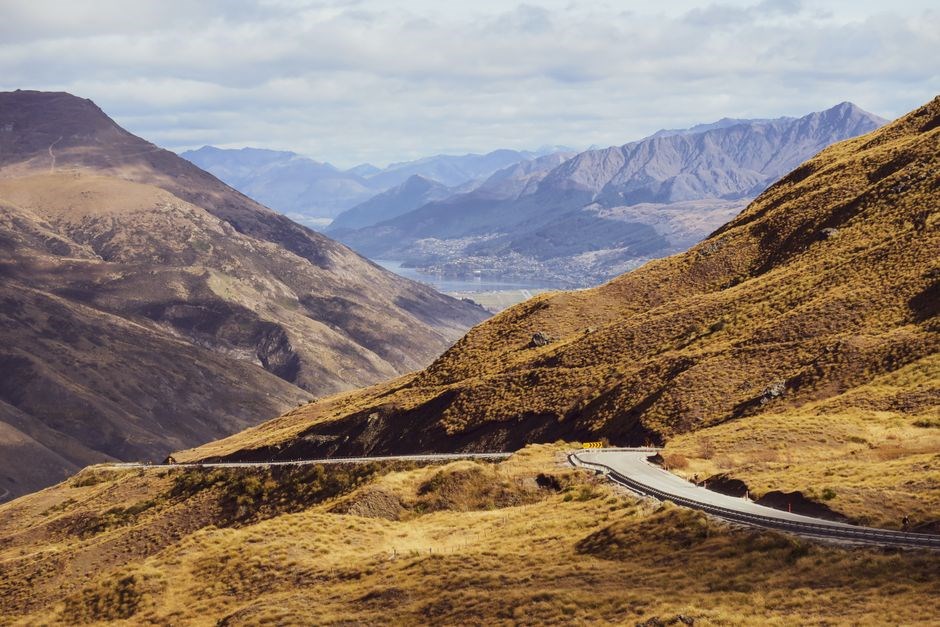
Choosing the right season is essential for a comfortable ride. The best months are late spring (November–December) and early autumn (March–April) when temperatures range from 12–20 °C, rainfall is moderate, and daylight extends to 14–15 hours. Summer (January–February) can bring high humidity and sudden showers, especially on coastal routes, while winter (June–August) is cold, wet, and wind‑y, making long rides difficult.
Morning starts are preferable; temperatures are cooler, and wind tends to calm after 10 am. Early afternoon rides avoid the midday heat and give time to finish before evening. Check local forecasts 48 hours ahead; the South Island’s weather can shift rapidly, and a sudden storm can hit within minutes.
- Trail surface: gravel and packed dirt are best in dry conditions, wet surfaces become slippery.
- Sun protection: wear a wide‑brim hat, UV‑blocking sunglasses, and light‑weight clothing with UV rating.
- Hydration: carry 2–3 L of water; use a hydration bladder or water bottles.
- Rain gear: a waterproof jacket and pants keep you dry; pack a spare towel.
Many tour operators schedule rides between 8 am and 4 pm to avoid early‑morning chill and late‑afternoon wind. Plan rest stops at scenic lookouts or cafés, and keep an eye on the horizon for weather fronts. With careful timing, you’ll enjoy clear skies, pleasant temperatures, and safe, scenic routes. Bring a small first‑aid kit now.
Highlighted Self‑Guided Routes
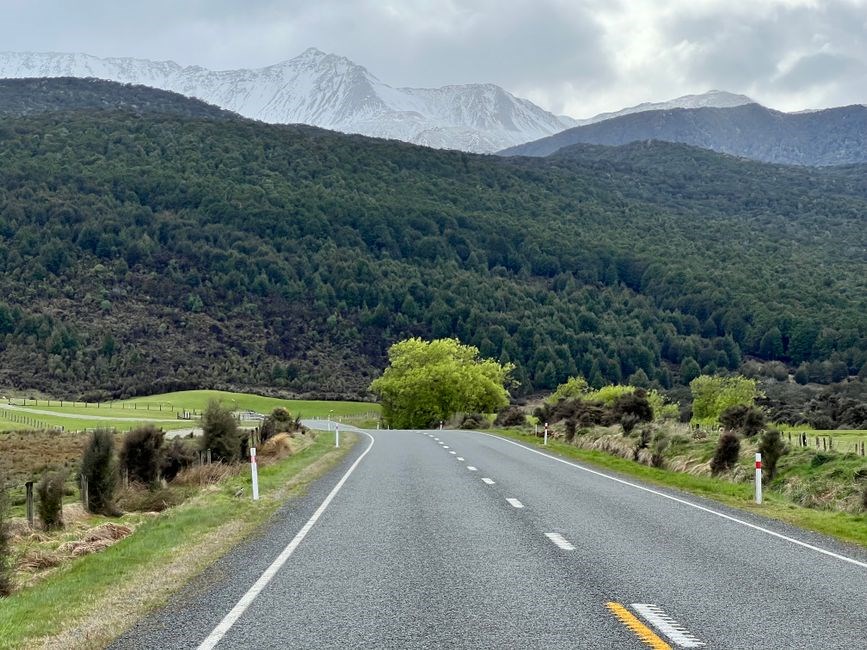
Explore New Zealand’s top self‑guided routes: the Twin Coast Cycle Trail offers rugged coastlines; the Otago Central Rail Trail showcases historic tracks; Banks Peninsula Cycle Trail blends forest and sea; Clifden to Beech Forest Trail delivers alpine charm. Enjoy!
Twin Coast Cycle Trail
The Twin Coast Cycle Trail is a 400‑kilometre adventure that links the Northland coast to the Bay of Islands. Riders begin at Kaikohe, where bike hire (e‑bike or standard trail bike) is available for a 2‑day self‑guided tour. The route follows the old railway line, offering gentle gradients and panoramic views of the Tasman Sea and the Aupouri Peninsula. A highlight is the stop in Kawakawa, a charming town with a vibrant art scene; the new Hundertwasser‑inspired community centre provides a perfect lunch break. The trail passes through lush forests, past historic Māori sites, and along the coastline, giving cyclists a mix of cultural and natural scenery. Each day ends near a coastal village, where 3 pm shuttle buses return riders to Kaikohe. The self‑guided format allows flexibility: riders can extend the ride, explore detours, or simply enjoy the scenery at their own pace. The Twin Coast Cycle Trail is ideal for families, couples, and solo adventurers seeking a blend of history, art, and outdoor beauty. Cyclists can also capture stunning sunrise photos along the way, making the experience unforgettable. The trail’s well‑maintained paths and clear signage ensure a safe journey for all skill levels. With its mix of coastal vistas, historic tracks, and friendly communities, the trail offers a truly immersive New Zealand experience. Cyclists can also enjoy local seafood, scenic viewpoints that showcase the region’s natural beauty today!!
Otago Central Rail Trail
Located in the heart of the South Island, the Otago Central Rail Trail invites cyclists to traverse 150 kilometres of former railway track that winds through the rugged Southern Alps. The trail offers a mix of gravel, packed earth, and occasional tarmac, providing a comfortable ride for both beginners and experienced riders. Starting in Alexandra, cyclists can follow the historic route to the town of Ranfurly, passing through lush forest, alpine meadows, and past the iconic Caversham Railway Station. The trail’s well‑maintained surface and clear signage make navigation straightforward, while the scenic vistas of snow‑capped peaks and crystal‑clear lakes reward every pedal stroke. Accommodation ranges from self‑contained holiday homes to cosy bed‑and‑breakfasts, ensuring comfort after a day of cycling. The Otago Central Rail Trail is renowned for its accessibility, with bike hire services available in Alexandra and Ranfurly, offering both standard and electric models. The trail’s popularity has led to the development of dedicated cycling infrastructure, including rest stops, water points, and scenic look‑outs. Whether you’re seeking a leisurely ride or a challenging adventure, the Otago Central Rail Trail delivers a quintessential New Zealand cycling experience that blends natural beauty, cultural heritage, and the freedom of self‑guided exploration. Enjoy ride!!!
Banks Peninsula Cycle Trail
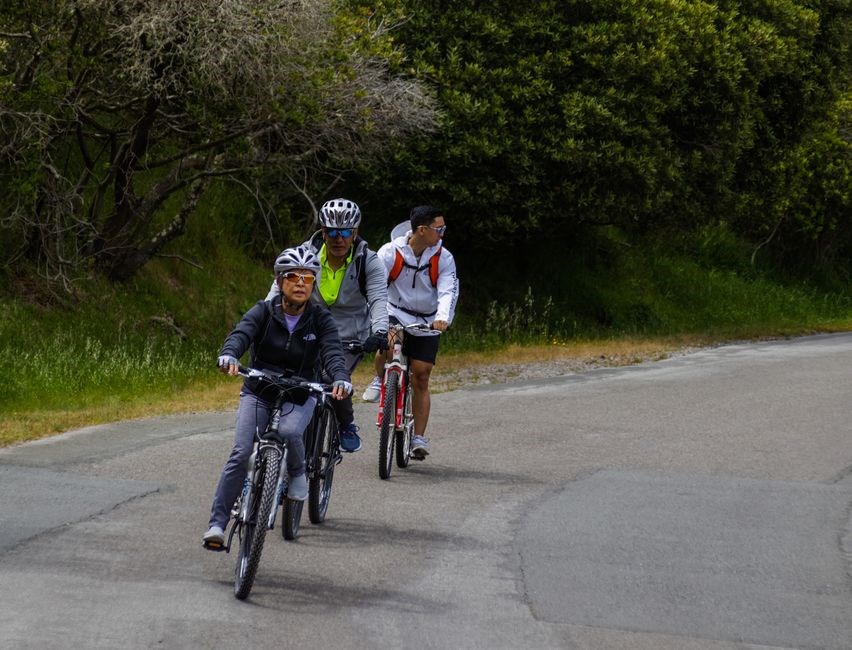
The Banks Peninsula Cycle Trail invites riders to explore a 50‑kilometre loop that hugs the dramatic coastline of the Canterbury region. Starting in Christchurch, cyclists can follow the former railway corridor that passes through the historic town of Lyttelton, the scenic port of Akaroa, and the rugged cliffs of the Banks Peninsula. The trail offers a mix of gravel, packed earth, and short stretches of tarmac, providing a comfortable ride for all skill levels. Along the way, riders will encounter lush native bush, panoramic ocean views, and the iconic limestone cliffs that define the peninsula’s landscape. Accommodation options range from self‑contained holiday homes to boutique bed‑and‑breakfasts, ensuring a comfortable stay after a day of cycling. Bike hire services are available in Christchurch and Lyttelton, offering both standard and electric models to suit individual preferences. The trail’s well‑maintained surface and clear signage make navigation straightforward, while the abundance of rest stops, cafés, and scenic look‑outs reward every pedal stroke. Whether you’re seeking a leisurely ride or a challenging adventure, the Banks Peninsula Cycle Trail delivers a quintessential New Zealand cycling experience that blends natural beauty, cultural heritage, and the freedom of self‑guided exploration. Enjoy ride!!!
Cyclists may spot birds like kea and pigeon, and the trail passes Lyttelton Harbour, a UNESCO World Heritage site. The route is family‑friendly with shaded rest areas scenic picnic spots! Guides offer day‑tours!
Clifden to Beech Forest Trail
Clifden to Beech Forest Trail is a 25‑kilometre self‑guided route that takes riders through the heart of New Zealand’s West Coast. Starting in the historic town of Clifden, cyclists follow the former railway corridor that winds past the pristine Beech Forest, offering a mix of gravel, packed earth and short tarmac sections. The trail passes through native forest, past the crystal‑clear Clutha River, and offers panoramic views of the Southern Alps. Bike hire is available in Clifden, with a range of standard and electric models to suit all fitness levels. Accommodation options include self‑contained holiday homes, bed‑and‑breakfasts and campsites along the route, ensuring a comfortable stay after a day of riding. The trail’s well‑maintained surface and clear signage make navigation straightforward, while the abundance of rest stops, cafés and scenic look‑outs reward every pedal stroke. Cyclists may spot native birds such as kea, tūī and the iconic kiwi, and the route passes through the historic township of Beech Forest, a former gold‑rush settlement. The Clifden to Beech Forest Trail offers a quintessential West Coast cycling experience that blends natural beauty, cultural heritage and the freedom of self‑guided exploration. Enjoy ride!!!
The trail is best tackled between October and April when temperatures are mild and rainfall is lower. Riders should carry a small first‑aid kit, a spare tube, and a portable phone charger. Local regulations require helmets for all riders, and cyclists must respect wildlife and follow the ‘Leave No Trace’ principles. The route is suitable for intermediate riders, with occasional steep climbs that reward the effort with sweeping views of the Tasman Sea. Along the way, cyclists encounter the historic Clifden Railway Station, the picturesque Beech Forest Lodge, and the scenic Rakaia Gorge, where the river cuts through basalt cliffs. The trail’s scenic vistas include the rugged coastline of the Tasman Sea and the towering peaks of the Southern Alps, providing photographers with endless opportunities. Riders should also be aware of the occasional wildlife crossings, especially during dawn and dusk, and should keep a safe distance from native fauna. The trail’s popularity means that peak times can be busy, so early departure is recommended to avoid crowds. The Clifden to Beech Forest Trail is a must‑visit for anyone looking to experience the raw beauty of New Zealand’s West Coast on two wheels. Enjoy ride!!!
Logistics and Safety
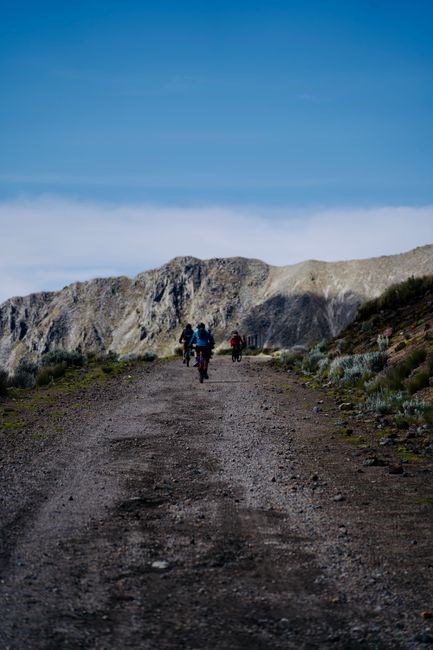
Plan routes with GPS, carry spare tubes, helmets, and a first‑aid kit. Check weather forecasts, stay hydrated, and respect local rules. Use reflective gear, signal turns, and keep a safe distance from wildlife. Report emergencies promptly. Keep a spare phone charger
Navigating with GPS and Maps
Before setting out, download reliable topographic or cycling‑specific maps from trusted sources such as the official New Zealand Tourism site, OpenStreetMap, or dedicated apps like Komoot and Strava. Ensure the map covers the entire trail, including elevation profiles, trailheads, and nearby amenities. When using a GPS device, pre‑load the route and set waypoints at key junctions, rest stops, and scenic viewpoints. Turn off auto‑update features to preserve battery life, and carry a spare battery or solar charger. On the trail, keep the device’s screen visible by adjusting brightness and using a protective case. Cross‑check the GPS position with physical landmarks to avoid drift, especially in forested or mountainous sections where satellite signals may weaken. For offline navigation, print a hard copy of the route with a clear legend, and mark the most important turns. Carry a paper map as a backup in case of device failure. When encountering unexpected detours, use the GPS to re‑calculate the shortest path back to the main trail, and note any new landmarks for future reference. Finally, share your planned route and estimated arrival times with a trusted contact, and update them if you deviate, ensuring someone knows your whereabouts in case of emergency. Keep a spare water bottle and a small snack for extra energy.
Weather Preparedness
New Zealand’s climate varies dramatically over short distances, so riders should always check local forecasts before departure. Coastal routes such as the Twin Coast Cycle Trail can experience sudden squalls, while inland trails like the Otago Central Rail Trail may see rapid temperature drops. Pack layered clothing, waterproof jackets, and wind‑breakers, and bring a breathable base layer for hot sun. Sunscreen, sunglasses, and a wide‑brimmed hat protect against UV exposure, especially on exposed ridges. A lightweight, packable rain poncho is essential for unexpected showers. Monitor humidity and wind speed; high wind can make downhill sections treacherous. Use a portable weather app or a local radio station to stay updated on sudden changes. If a storm is forecast, plan to finish the day before dusk and secure the bike at a safe spot. Keep a small emergency kit with a multi‑tool, spare tubes, and a patch kit. Finally, always inform someone of your route and expected return time; in case of severe weather, emergency services can locate you faster. Remember that the terrain can change abruptly, so always carry a compact first‑aid kit, a spare inner tube, and a reliable communication device such as a satellite messenger or a fully charged mobile phone, and keep a detailed itinerary with you at all times. Stay hydrated, rest when needed, and enjoy the vistas today.!!
Emergency Contacts and First Aid
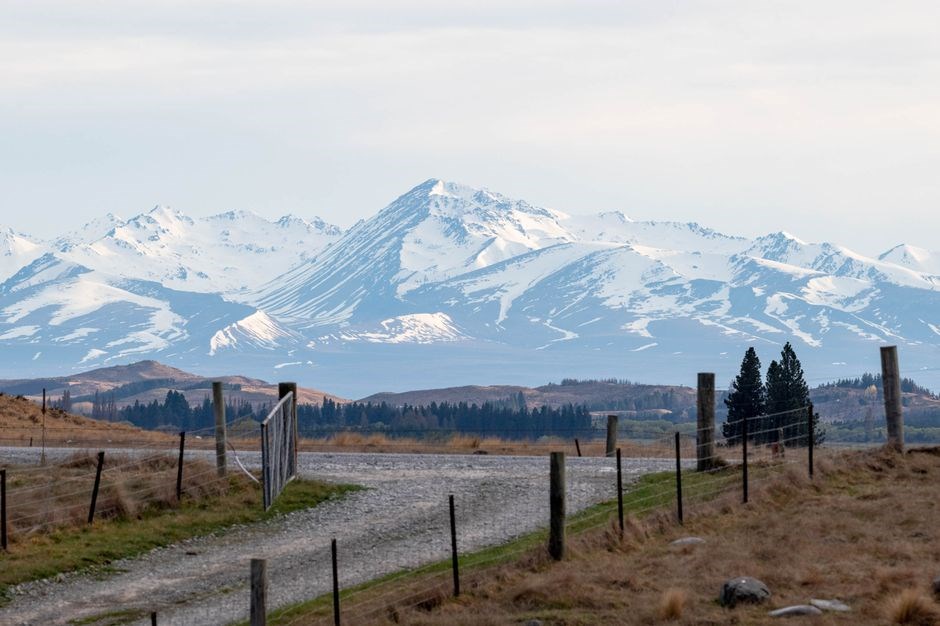
When venturing on a self‑guided ride, always carry a local emergency number: 111 is New Zealand’s universal emergency line for police, ambulance, and fire services. For isolated areas, a satellite phone or a personal locator beacon (PLB) can transmit your GPS coordinates to rescue teams. Keep a fully charged mobile phone with the local network, and a charger. The New Zealand Ministry of Health recommends a basic first‑aid kit: adhesive bandages, antiseptic wipes, gauze, elastic bandages, pain relievers, and a small splint. For cyclists, a bike‑specific kit includes a spare inner tube, a patch kit, a mini pump, and a multi‑tool. In case of a crash, assess for fractures, head injuries, and bleeding. Apply pressure to wounds, keep the injured limb immobilised, and avoid moving the person unless absolutely necessary. If you suspect a spinal injury, keep the head and neck still, and wait for professional help. For heat‑related issues, move to shade, hydrate, and apply cool compresses. For cold exposure, wrap the person in a blanket, provide warm, non‑alcoholic fluids, and monitor for hypothermia. Always have a small first‑aid manual or a QR code link to the New Zealand Health website. Finally, share your route and estimated arrival time with a trusted friend or family member; this ensures that if you do not check‑in, emergency services can locate you quickly. Enjoy the ride!!!
Bike Maintenance Basics
Before setting off, inspect the frame, wheels, and brakes for cracks, dents, or loose bolts. Tighten all fasteners with a torque wrench or hand‑tighten to the manufacturer’s spec. Check tire pressure with a reliable gauge; the recommended PSI varies by terrain and rider weight. Replace worn‑out tubes or use a patch kit for punctures. Lubricate the chain with a suitable bike oil, wiping excess to avoid attracting dirt. Inspect the brakes: ensure pads are worn evenly, cables are tensioned, and rotors are clean. Test the brakes in a safe area before departure. Verify the gear shifters shift smoothly; adjust derailleurs if necessary. Keep a spare tube, a mini pump, and a multi‑tool in the saddle bag. Carry a small first‑aid kit for cuts or blisters. If you encounter a flat, use the patch kit or tube replacement; remember to check the valve type (Presta or Schrader). For a flat on the road, use a portable CO₂ inflator or a hand pump. After each ride, clean the chain, wipe the frame, and re‑apply lubricant. Store the bike in a dry place, and if you’re staying overnight, secure it with a lock and a cable. Following these basics will keep your ride smooth and reduce the risk of mechanical failure on the trail. Remember, a well‑maintained bike not enhances lets you savor scenic vistas without mechanical daily interruptions.
Local Regulations and Rules
In New Zealand, cyclists must follow the Road User Code of Conduct: wear a helmet, obey traffic signs, and ride on designated cycle lanes or the left side of the road when no lane exists. E‑bikes are limited to 500 W motors and must not exceed 25 km/h on paved roads. On shared tracks, cyclists should yield to pedestrians and keep a safe distance from vehicles. National parks and private reserves often restrict cycling; check local signage or contact the managing authority before entry. On the Twin Coast Cycle Trail and similar routes, the track is open to cyclists, but riders should respect wildlife, avoid disturbing native vegetation, and stay on the path. In urban areas, cyclists must adhere to speed limits (typically 50 km/h in cities, 30 km/h in residential zones) and cannot cycle on motorways. When using rental bikes, ensure you have a valid ID and understand the rental agreement, including insurance coverage and liability limits. Always carry a phone, a first‑aid kit, and a spare tube. Following these rules ensures safety, preserves the environment, and keeps the cycling community welcoming. Ok.