Overview of Reformer Pilates
Reformer Pilates blends resistance, precision, and breath to sculpt core, improve posture, and enhance flexibility․ Free PDF guides—like the Red Thread Foundational Reformer—offer step‑by‑step charts, printable exercise lists, and downloadable workout plans for beginners and seasoned practitioners alike․!!
History and Evolution of the Reformer Machine
Joseph Pilates introduced the Reformer in the 1920s as a versatile apparatus that harnesses springs, a carriage, and a harness to provide dynamic resistance․ Initially used in hospitals and military rehabilitation, the machine gained popularity among dancers and athletes for its ability to target core stability, alignment, and joint mobility․ Over the decades, manufacturers refined the design, reducing weight, improving carriage glide, and standardizing spring tension․ The Reformer evolved from a bulky, hand‑cranked device to a sleek, motorized platform, allowing practitioners to perform controlled, high‑precision movements․ In the 1990s, Pilates studios worldwide adopted the machine, and the 2000s saw an explosion of online tutorials and downloadable PDFs that democratized access․ Today, free PDF resources—such as the Red Thread Foundational Reformer guide—offer structured, printable charts that trace the machine’s lineage and provide step‑by‑step instructions for exercises ranging from beginner to advanced․ These documents preserve Pilates’ original philosophy while making the Reformer’s benefits accessible to anyone with a digital device or a printable sheet․ The Reformer’s adaptability is evident in its modular attachments—such as the footbar, ankle strap, and diagonal straps—that enable a wide range of motion․ Its spring system allows for progressive overload, making it suitable for rehabilitation, athletic training, and general fitness․ The machine’s design encourages mindful breathing and precise alignment, core engagement, and controlled movement, which aligns with Pilates’ emphasis on quality over quantity․ Modern instructors often incorporate the Reformer into holistic programs, blending mat work, resistance bands, and mobility drills․ The availability of free PDF exercise libraries has accelerated the Reformer’s reach, allowing home practitioners to replicate studio routines with minimal equipment․ By downloading these printable charts, users can track progress, modify intensity, and maintain consistency without a gym subscription․ Furthermore, the Reformer’s portability and compact footprint make it ideal for home studios, enabling consistent practice regardless of space constraints․ Its integration into digital platforms has fostered a global community of enthusiasts․ This community thrives on shared progress․
Key Components and Terminology
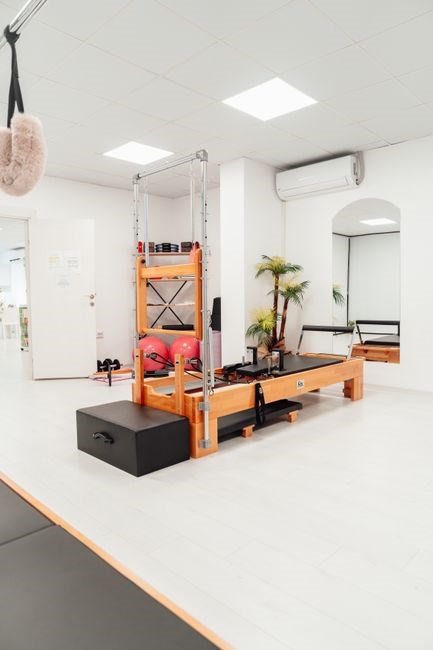
At the heart of every Reformer lies a set of interlocking parts that work together to create a fluid, resistance‑based workout․ The carriage, a smooth‑gliding platform, moves along the frame’s rails and is the primary point of contact for the user․ Springs—typically one to four—provide adjustable tension that can be fine‑tuned to match strength levels; the tension is often described in “spring levels” or “tension settings․” A harness, usually made of nylon or canvas, attaches the user’s body to the carriage, allowing controlled pulls and pushes․ The footbar, a metal plate at the rear of the carriage, offers a stable base for footwork and is a key element in many foundational exercises․ An ankle strap or a diagonal strap can be added to target specific muscle groups or to increase the challenge․ Terminology such as “carriage glide,” “spring tension,” “harness pull,” and “footbar position” is essential for clear instruction and for reading free PDF guides like the Red Thread Foundational Reformer or the Pilatesology Reformer 101․ These PDFs provide printable charts that detail each component’s function, recommended tension levels, and step‑by‑step cues, making it easier for beginners to set up their machine correctly and for advanced users to refine technique․ By mastering these terms, practitioners can communicate more effectively with instructors, customize workouts, and track progress through downloadable exercise lists․ The carriage’s base is often made of hardwood or composite material, providing a stable foundation that resists wobble during high‑intensity sequences․ Spring tension is calibrated using a scale of 1 to 4, with 1 being the lightest and 4 the heaviest; instructors often recommend starting at level 2 for beginners․ The harness is adjustable; its height can be set to align the pelvis, ensuring that the pelvis remains neutral throughout the exercise․ Footbar positioning is crucial; placing the bar too high can compromise hip extension, while too low may over‑engage the calves․ Diagonal straps allow diagonal pulls that engage the obliques and improve rotational stability, a key component of functional movement patterns․ When setting up the carriage, ensure the rails are free of debris and lubricated with a silicone spray; a smooth glide reduces the risk of joint strain during rapid sequences․ The footbar’s height should be set so that the heel is slightly elevated, allowing the knee to maintain a neutral alignment and preventing excessive valgus during the leg press․ Instructors often emphasize the importance of a neutral spine; the Reformer’s resistance forces the pelvis to remain in a neutral position, thereby reinforcing proper spinal alignment throughout the session․ By consistently reviewing the PDF charts, users can identify progression gaps, adjust spring tension, and celebrate gains․
Health Benefits and Targeted Outcomes
Reformer Pilates strengthens core, improves posture, enhances joint mobility, boosts circulation, and promotes mental focus․ The resistance and controlled movement build lean muscle, increase flexibility, and support recovery․ Free PDF charts guide consistent practice for lasting health gains․ Daily․ Every
Improved Core Strength and Posture
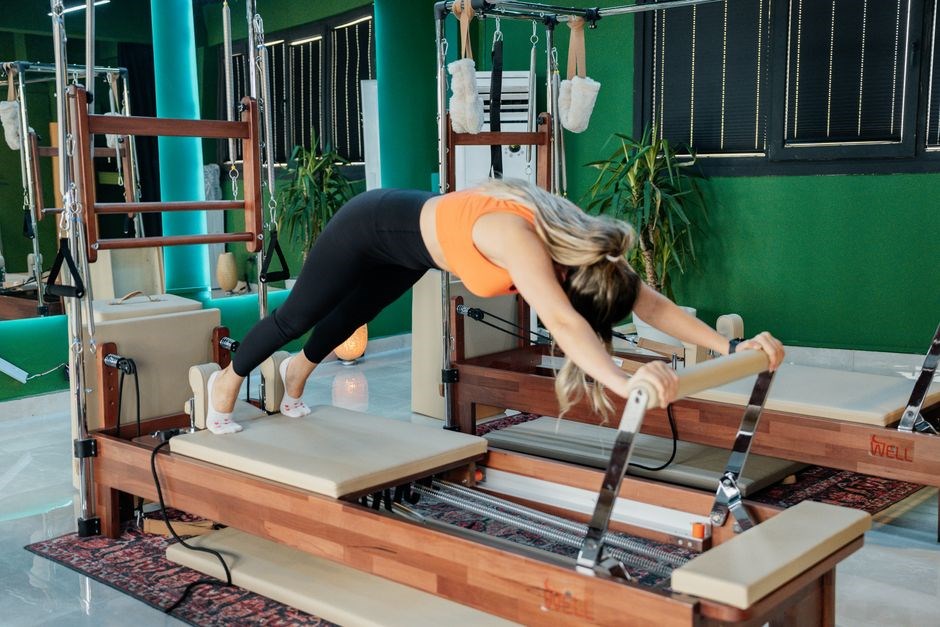
Reformer Pilates harnesses the spring‑laden carriage to deliver precise, controlled resistance that targets the deep abdominal and back stabilizers․ By engaging the transversus abdominis, multifidus, and pelvic floor in a coordinated rhythm, the exercises build a resilient core that supports the spine and reduces injury risk․ Consistent practice trains the mind‑body connection, encouraging proper alignment and breath control that translate into improved posture during daily activities․ Printable PDF charts provide clear visual cues and progression tables, making it easy to track progress, stay motivated, and maintain consistency․ The free downloadable resources, such as the Red Thread Foundational Reformer PDF, include detailed instructions, safety tips, and variations, enabling users to progress safely from basic to advanced movements․ This structured approach builds muscular endurance, enhances proprioception, and keeps the spine in neutral alignment throughout the day․ Over time, the cumulative effect of these targeted movements strengthens the core and promotes a naturally upright posture that reduces strain on joints and improves overall functional performance․ Whether you’re a beginner or an experienced practitioner, the free PDF guides provide a comprehensive roadmap to lasting core strength and posture benefits․ The Reformer’s unique carriage movement also engages the glutes and hips, reinforcing the core’s support system․ By integrating dynamic and static holds, the routine develops both strength and endurance, allowing the core to remain engaged during prolonged sitting or standing․ Regular use often leads to noticeable lower back relief, improved balance, and increased stability․ The low‑impact design makes it suitable for all ages and fitness levels, while still offering a stimulus for core conditioning․
Enhanced Flexibility and Joint Mobility
Reformer Pilates is renowned for its ability to increase joint range of motion while preserving muscle integrity․ The carriage’s controlled glide allows for gentle, progressive stretching of the spine, shoulders, hips, and ankles, making it ideal for athletes, dancers, and everyday fitness enthusiasts alike․ By incorporating the spring resistance, the exercises encourage lengthening of the connective tissues without overloading the joints, thereby reducing the risk of injury during high‑intensity activities․ The free downloadable PDF guides, such as the Red Thread Foundational Reformer, provide detailed diagrams and step‑by‑step instructions that illustrate how to perform each movement with optimal alignment․ These charts include variations that target specific muscle groups, allowing users to customize their routine to address tightness in the hamstrings, quadriceps, or thoracic spine․ Additionally, the printable exercise lists feature progression tables that help practitioners gradually increase the depth of each stretch, ensuring that flexibility gains are sustainable over time․ The Reformer’s unique design promotes balanced muscle activation, which is crucial for maintaining joint health and preventing compensatory patterns․ By engaging the core and stabilizing muscles during each movement, the Reformer supports the spine and pelvis, allowing for smoother, more fluid motion throughout the body․ Regular practice of these movements can lead to improved posture, reduced stiffness, and enhanced overall mobility․ The accessibility of the free PDF resources means that anyone can begin a structured flexibility program at home, track their progress, and enjoy the long‑term benefits of a supple, mobile body;
Popular Free PDF Resources for Reformer Exercises
Download the Red Thread Foundational Reformer by Kathy Ross‑Nash, a PDF with step‑by‑step charts․ Access Pilatesology Reformer 101 for 30 days using code REDDIT30․ PDFs offer printable exercise lists to track progress and build a routine․PDF․
Red Thread Foundational Reformer by Kathy Ross‑Nash (PDF)
Red Thread Foundational Reformer by Kathy Ross‑Nash is a free PDF that serves as a cornerstone for mastering the Reformer․ The guide is organized into clear sections that walk the reader through basic principles, safety cues, and progressive sequences․ Each exercise is illustrated with high‑resolution images and concise instructions that emphasize alignment, breath, and controlled movement․ The PDF includes a printable exercise chart that can be clipped, taped to a wall, or carried in a gym bag, making it easy to reference during a session or at home․ Users can download the file for free from the official Pilatesology website, where it is available for a limited time as part of a promotional offer․ The resource is ideal for beginners who want a structured introduction, as well as for experienced practitioners looking to refine technique or add variety to their routine․ By following the step‑by‑step progression, users can build strength, improve posture, and increase joint mobility while staying within the safety parameters of the Reformer machine․ The guide presents 25 exercises grouped into warm‑up, core, and cool‑down phases, each with variations for increased or decreased difficulty․ The printable charts are formatted in a compact layout, with each exercise labeled by name, number of repetitions, and recommended sets, making it simple to track progress over time․ The resource also encourages mindful practice by incorporating brief meditation prompts and breathing exercises that enhance the mind‑body connection․ By integrating these elements, the Red Thread Foundational Reformer PDF helps users develop a balanced, effective, and sustainable Reformer routine․ Download it today and transform daily․
Pilatesology Reformer 101 – 30-Day Free Access (code REDDIT30)
Pilatesology’s Reformer 101 offers a 30‑day free trial that unlocks a curated library of beginner‑friendly Reformer workouts․ By entering the code REDDIT30 at checkout, users gain instant access to daily sessions that progress from foundational moves to more advanced variations, all designed to build core stability, improve posture, and enhance joint mobility․ Each video is accompanied by a downloadable PDF chart that details the sequence, sets, reps, and key alignment cues, allowing practitioners to practice safely at home or in the studio․ The program includes a mix of mat and Reformer exercises, ensuring a well‑rounded routine that targets the entire body․ In addition, the platform provides instructional articles on proper breathing techniques, machine setup, and injury prevention, making it an ideal resource for both novices and seasoned Pilates enthusiasts․ The free access period is limited, so users are encouraged to download the PDFs and save them for offline reference․ By following the structured 30‑day plan, participants can establish a consistent practice, track progress, and experience measurable improvements in strength, flexibility, and overall well‑being․ With the supportive community forums and live Q&A sessions, users can ask questions, share progress, and stay motivated throughout the 30 days․
Whether you’re a seasoned instructor or a curious beginner, the Reformer 101 PDF also includes a glossary of terms, a safety checklist, and a printable progress tracker to help you stay organized and motivated throughout 30‑day journey․
How to Access and Utilize Free Reformer PDF Workouts
Download free Reformer PDF charts from sites like Pilatesology or the official subreddit wiki․ Print the exercise list, mark progress, and use the printable schedule to stay consistent․ Upload to cloud for easy access, and follow the step‑by‑step instructions for safe practice․ Track progress, share results․
Downloading Printable Reformer Exercise Charts
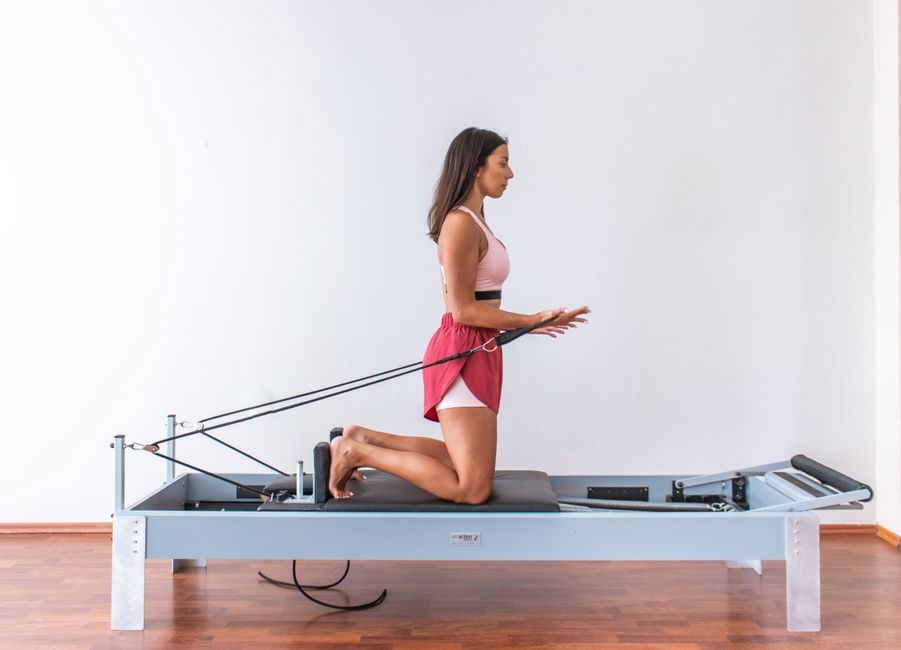
Accessing printable Reformer exercise charts is simple․ Visit reputable sites like Pilatesology, where a 30‑day free trial (code REDDIT30) unlocks a library of PDF workouts․ The Red Thread Foundational Reformer by Kathy Ross‑Nash is another free resource; its PDF contains diagrams, set‑up instructions, and progression cues․ Download the PDF, save it, and print on high‑quality paper․ Lay the chart flat, align the Reformer rail, and mark the starting position․ As you progress, tick off each exercise to track consistency․ Many PDFs also offer printable checklists for core, glute, and spinal alignment, ensuring proper form․ If you prefer digital tracking, import the PDF into a note‑taking app or cloud storage, then annotate directly with a stylus or keyboard․ Remember to review safety guidelines—especially foot placement, hand positioning, and breathing patterns—to prevent injury and maximize benefits․ Consistently downloading, printing, and following these charts builds a reliable foundation for advanced Reformer work and improves strength, flexibility, and posture․
After printing, laminate the chart for or fold it into a pocket‑sized booklet for on‑the‑go sessions․ Some users attach a whiteboard to the Reformer rail, writing goals next to the exercise list․ Many PDFs allow you to highlight or annotate directly in the file using free PDF editors like Adobe Acrobat Reader DC or Foxit Reader․ By integrating these printable resources into your routine, you’ll stay now daily! and create a roadmap that tracks progress over weeks months․
Integrating YouTube Playlists into Your Routine (John Garrey, Lesley Logan)
John Garrey’s beginner Reformer playlist offers clear, step‑by‑step videos that match the printable PDF charts․ Begin by selecting a video that aligns with the exercise you’ve printed, then play it while following the chart․ This dual‑reference method reinforces proper form and breathing cues․
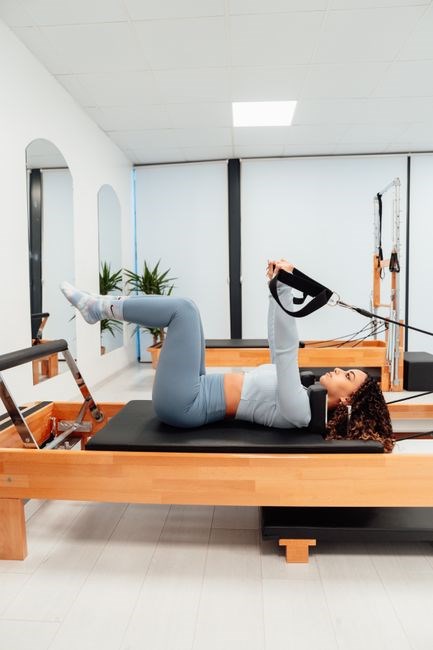
Lesley Logan’s extensive Reformer tutorials cover advanced transitions, equipment variations, and alignment corrections․ Use her playlists to supplement the PDF’s static images with dynamic movement cues․ Pause the video at key moments to practice the highlighted technique before proceeding․
To integrate both resources, create a weekly schedule: allocate 20 minutes for the PDF‑guided routine and 15 minutes for a focused video segment․ Record your progress in a simple log, noting which videos improved your understanding of each exercise․ This routine ensures consistent progression without over‑relying on a single format․
Remember to keep the PDF handy on a tablet or printed sheet while watching the videos․ The visual synergy between the two formats maximizes muscle memory, enhances joint mobility, and keeps motivation high․ By combining John Garrey’s foundational guidance with Lesley Logan’s advanced insights, you’ll build a balanced, effective Reformer practice․
Use the printable charts as reference during video sessions, noting discrepancies between the visual guide and the instructor’s cues․ Adjust foot placement or hand positioning, and revisit the PDF after each session to refine technique and track progress time․
Community, Support, and Additional Tools
Join the Pilates subreddit wiki for curated links, FAQs, and community insights․ Use the custom schedule generator to create non‑repeating workout plans tailored to your goals․ Share progress, ask questions, and stay motivated with peer support and downloadable resources․ Connect, learn, and thrive daily
Official Pilates Subreddit Wiki for Resources
Explore the official Pilates subreddit wiki, a centralized hub that aggregates vetted resources, instructional PDFs, and community-curated workout plans․ The wiki hosts a searchable database of free, fully-qualified instructors, each profile detailing their specialties, certifications, and recommended reformer exercises․ Users can filter by difficulty level, focus area, or equipment setup, ensuring that beginners and advanced practitioners alike find suitable routines․ Additionally, the wiki includes a comprehensive FAQ section addressing common questions about form, safety, and progression․ Interactive forums allow members to share progress photos, troubleshoot technique, and receive feedback from peers and seasoned trainers․ The platform also offers downloadable printable exercise charts, allowing users to print or save PDFs for offline use․ By leveraging the wiki’s collaborative nature, users can stay updated on the latest free PDF releases, track their training logs, and connect with a supportive community that prioritizes evidence-based practice and continuous learning․
The wiki’s collaborative nature encourages users to leave comments, rate exercises, and suggest modifications based on personal experience․ This feedback loop helps refine the PDF charts, ensuring they remain relevant for diverse body types and injury considerations․ Users can also bookmark favorite routines, creating a personalized library that evolves with their progress․ The platform’s search function allows quick retrieval of specific exercises, making it easier to integrate new movements into existing routines without disrupting the overall flow․
The platform also hosts a curated list of video tutorials from certified instructors, each linked to specific exercise charts․ Members can watch a short demo before attempting a routine, ensuring proper alignment and breathing cues․ The platform also offers a calendar feature that syncs with personal devices, reminding users of scheduled sessions and tracking streaks․ This integration of digital tools and community insight creates a holistic, engaging experience that supports long‑term commitment to Pilates reformer practice․
The community forum also hosts sessions where answer questions about form, injury prevention, and progression milestones․ can submit their video for critique, feedback that helps refine technique․ Additionally, the wiki offers a challenge calendar that encourages users to set measurable goals, celebrate milestones, and share success stories, fostering accountability and motivation across the global Pilates community․ OK !!!
Custom Schedule Generator for Non‑Repeating Workouts
Because the schedule is non‑repeating, you’ll get a risk․ The generator offers themes—“Core Focus,” “Flexibility Boost,” “Recovery Flow”—match your goals․ Input prioritize exercises for․ For example, set priority for hip‑mobility or foundational alignment drills․ PDF outputs include concise instructions, key cues, recommended sets, making it easy to follow at home or studio․ The open‑source design lets community members add new templates, keeping the library fresh․