Understanding Hunting Guide Tipping Etiquette
Navigating hunting guide tipping can feel complex‚ with amounts varying based on service quality and hunt type; generally‚ $200 per group is a starting point.
The Prevalence of Tipping in Hunting
Historically‚ tipping hunting guides wasn’t universally expected‚ but it’s become increasingly common‚ mirroring service industry standards. A decent tip‚ around $5-$10 per person for a two-hour tour‚ acknowledges exceptional service. For longer‚ more involved hunts‚ like big game expeditions‚ a more substantial gratuity is customary. Recognizing the guide’s expertise‚ dedication‚ and effort is paramount‚ and a tip demonstrates appreciation for their contribution to a successful and memorable hunting experience.
Factors Influencing Tip Amounts
Several elements dictate appropriate tip amounts. Hunt duration—daily versus multi-day—significantly impacts expectations. Specialty hunts‚ like bear or elk‚ often warrant premium tipping due to increased skill and effort. The quality of the hunt‚ including success rate and guide’s responsiveness‚ is crucial. Group size also plays a role‚ with larger groups potentially contributing more collectively. Finally‚ regional customs and outfitter policies should be considered.
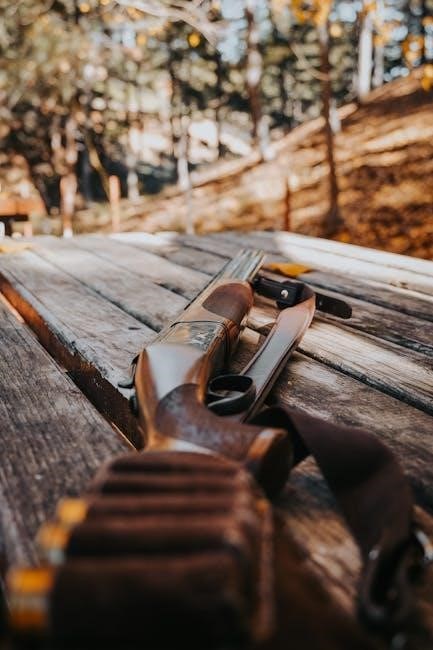
Typical Tipping Ranges for Hunting Guides
Standard tips generally range from 5-10% of the total hunt cost‚ or a flat rate of $50-$200 per hunter‚ depending on the experience.
Daily Rate Guides: Standard Tips
For daily rate guides‚ a customary tip falls within the $50 to $100 per hunter‚ per day range‚ reflecting solid service and a successful hunt. Consider a higher tip—potentially exceeding $150—for exceptional performance‚ like locating prized game or navigating challenging terrain. Conversely‚ if the experience falls short‚ a lower tip‚ or none at all‚ is acceptable‚ but direct communication about concerns is crucial before finalizing gratuity.
Multi-Day Hunt Guides: Adjusted Expectations
With multi-day hunts‚ tipping expectations shift towards a cumulative approach. Instead of daily amounts‚ consider a total tip at the hunt’s conclusion‚ typically ranging from 10% to 20% of the overall hunt cost. Exceptional guides warrant the higher end of this range‚ while standard service merits the lower end. Remember to factor in the guide’s dedication and expertise throughout the entire experience.
Specialty Hunts (e.g.‚ Bear‚ Elk): Premium Tipping
For specialized hunts – bear‚ elk‚ or others demanding unique skills – consider increasing your tip. These hunts often involve greater effort‚ specialized knowledge‚ and increased risk for the guide. A tip of 15% to 20% of the hunt cost is appropriate for exceptional success and service. Recognize the guide’s expertise in pursuing these challenging game animals.
Breaking Down the Costs & Who to Tip
Typically‚ tip the primary guide generously‚ and consider smaller gratuities for assistant guides‚ cooks‚ and other camp staff contributing to your experience.
The Guide’s Role & Responsibilities
Hunting guides shoulder significant responsibility‚ encompassing safety‚ navigating terrain‚ locating game‚ and ensuring a successful‚ ethical hunt. They often provide expertise in tracking‚ field dressing‚ and packing. A guide’s dedication directly impacts the quality of your experience‚ justifying a thoughtful tip reflecting their effort. Consider their knowledge‚ professionalism‚ and commitment to a memorable hunt when determining an appropriate gratuity‚ recognizing their crucial role in your adventure.
Tipping Assistant Guides & Support Staff
Don’t overlook assistant guides and support staff! While the head guide receives the primary tip‚ acknowledging those contributing to your hunt enhances the experience. A smaller gratuity – perhaps $50-$100 per person for the trip – shows appreciation for their hard work. Consider tipping cooks and camp staff separately‚ recognizing their role in providing comfort and sustenance throughout your hunting adventure.
Cooks & Camp Staff: Showing Appreciation
Recognize the vital role of cooks and camp staff; their efforts significantly impact hunt enjoyment. A collective tip pool of $50-$150‚ distributed amongst them‚ is customary. Alternatively‚ a direct tip of $20-$50 per person for the duration of the hunt is appreciated. Thoughtful gestures‚ like small gifts‚ alongside monetary tips‚ demonstrate genuine gratitude for their hospitality and hard work.
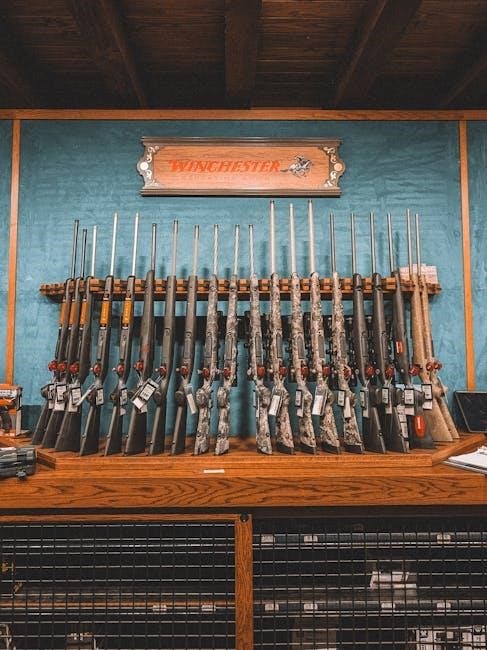
Regional Variations in Tipping Customs
Tipping norms differ; North American standards lean towards $5-$10 per person for shorter tours‚ while international trips may require adjusted expectations.
North American Tipping Standards
In North America‚ a customary tip for a hunting guide typically ranges from 10-20% of the total hunt cost‚ though this can fluctuate. For a two-hour tour‚ $5 to $10 per person is considered decent. Daily rate guides often receive $100-$300 per day‚ depending on service. Remember that exceptional service warrants a higher gratuity‚ reflecting the guide’s dedication and expertise in ensuring a successful and memorable hunting experience for all participants.
International Hunting Trip Tipping
When embarking on international hunts‚ tipping customs differ significantly. Researching local norms is crucial; a flat rate is often preferred. Consider $200 per group as a baseline‚ adjusting for exceptional service or extended hunts. Transparency regarding tipping expectations is vital‚ ensuring clarity with the outfitter beforehand to avoid misunderstandings and demonstrate respect for local traditions and cultural nuances.
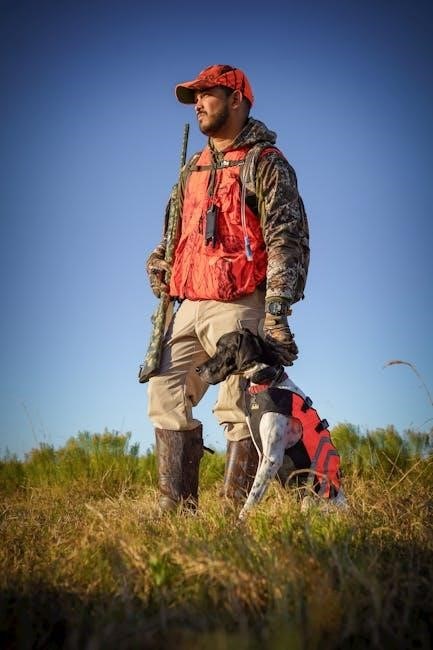
Calculating a Fair Tip
Determining a fair tip involves considering both percentage-based options (5-10%) and flat rates‚ always factoring in the overall hunt experience and guide performance.
Percentage-Based vs; Flat Rate
Choosing between a percentage-based tip (5-10% of the total hunt cost) or a flat rate depends on preference and hunt duration. For shorter‚ two-hour tours‚ $5-$10 per person feels appropriate. Longer‚ multi-day hunts often warrant a flat daily rate or a percentage reflecting exceptional service. Consider the guide’s effort‚ knowledge‚ and success in achieving your hunting goals when deciding. A flat rate offers predictability‚ while a percentage acknowledges higher-cost hunts.
Considering the Quality of the Hunt Experience
Ultimately‚ the tip should reflect the overall hunt experience. Exceptional guides exceeding expectations – through knowledge‚ effort‚ and securing a successful hunt – deserve generous tips. Factors like challenging weather‚ difficult terrain‚ or scarce game should also influence your decision. A truly memorable and well-executed hunt warrants a higher gratuity‚ acknowledging the guide’s dedication and skill.
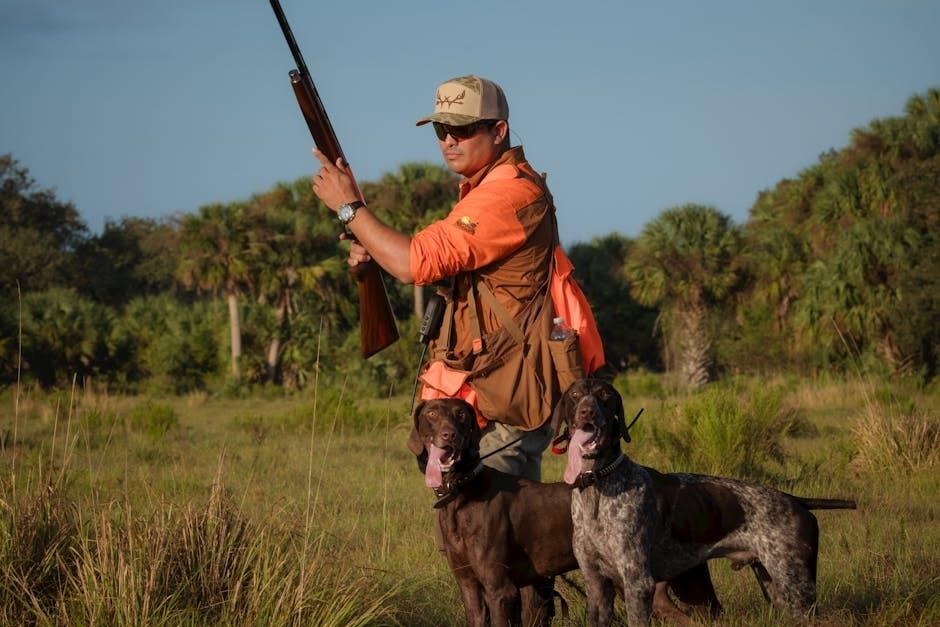
What Impacts a Higher or Lower Tip?
Service quality is key; exceeding expectations earns larger tips‚ while poor service or unaddressed concerns may justify a reduced gratuity amount.
Exceptional Service & Going Above and Beyond
Truly outstanding guides demonstrate dedication‚ exceeding basic duties. This includes locating prized game‚ providing expert instruction‚ ensuring safety‚ and offering personalized attention. A guide who tirelessly works to fulfill your hunting dreams‚ adapting to challenges‚ and displaying genuine enthusiasm deserves a generous tip. Consider increasing the standard amount – perhaps 10-20% above the typical range – to acknowledge their exceptional efforts and commitment to a memorable hunt. Remember‚ a heartfelt thank you alongside a substantial tip leaves a lasting impression.
Poor Service & Addressing Concerns
If a guide’s performance falls short – exhibiting unprofessionalism‚ lacking knowledge‚ or neglecting safety – a reduced tip is justifiable. Before drastically lowering the amount‚ communicate concerns directly with the outfitter. Document specific issues. A minimal tip‚ or even none‚ may be appropriate for severely deficient service‚ but transparency is key. Consider the overall hunt experience and whether issues stemmed from factors beyond the guide’s control before making a final decision.
Alternatives to Monetary Tips
Thoughtful gifts‚ positive online reviews‚ and referrals demonstrate appreciation beyond cash; these gestures can significantly impact a guide’s reputation and future business.
Gifts & Thoughtful Gestures
Beyond monetary tips‚ consider personalized gifts reflecting the guide’s interests or the hunt itself. High-quality hunting accessories‚ like knives (Black FOX BF-617 or Mora)‚ or useful tools are appreciated. Locally sourced items from your home region demonstrate thoughtfulness. A handwritten thank-you note detailing your experience adds a personal touch‚ expressing gratitude for their expertise and dedication. These gestures often hold more meaning than a simple gratuity‚ fostering a lasting connection.
Positive Reviews & Referrals
Sharing your positive hunting experience publicly is invaluable. Detailed online reviews on relevant forums and outfitter websites significantly boost a guide’s reputation. Word-of-mouth referrals to fellow hunters are equally impactful‚ leading to future opportunities. Acknowledging exceptional service demonstrates genuine appreciation and supports their livelihood. Consider mentioning specific details about their expertise and dedication when recommending them.
Specific Scenarios & Tipping Amounts
Spot and stalk hunts typically warrant a $5-$10 per person tip for a two-hour tour‚ while driven hunts may require adjusted gratuities based on success.
Spot and Stalk Hunts
For spot and stalk hunts‚ a thoughtful tip reflects the guide’s skill in navigating terrain and locating game. A standard practice suggests $5 to $10 per person for a shorter‚ two-hour tour‚ acknowledging their expertise. However‚ consider extending this amount based on the hunt’s duration‚ difficulty‚ and overall success. Exceptional effort‚ like overcoming challenging conditions or securing a prized trophy‚ deserves a more generous reward‚ potentially reaching $20 or more per hunter‚ demonstrating sincere appreciation.
Driven Hunts
Driven hunts often involve a team effort‚ necessitating consideration for all involved. While a specific amount isn’t explicitly detailed‚ a collective tip distributed amongst the guides and supporting staff is customary. A reasonable approach is to contribute $100-$200 per hunter for the entire team‚ acknowledging their coordinated efforts in driving game and ensuring a safe‚ successful hunt. Adjust this based on the hunt’s length and the level of service provided.
Legal and Ethical Considerations
Transparency regarding tipping policies is crucial; avoid any appearance of bribery‚ ensuring gratuities are offered freely as appreciation for excellent service.
Transparency & Disclosure of Tipping Policies
Outfitters should clearly communicate their tipping expectations upfront‚ preventing awkwardness and ensuring clients budget appropriately. Discussing tipping during booking or pre-hunt briefings fosters openness. While not mandatory‚ understanding customary amounts—like $200 per group—helps. Some outfitters might include gratuity; confirm this to avoid double-tipping. Ethical practice demands honesty about where tips go‚ benefiting guides and support staff fairly‚ promoting a positive hunting experience for all involved.
Avoiding the Appearance of Bribery
Tipping should always reflect service quality‚ not an attempt to influence hunting outcomes. A generous tip ($200 per group is typical) shouldn’t imply expectation of preferential treatment regarding trophy selection or access. Maintain ethical boundaries; a tip is gratitude‚ not a transaction. Transparency is key—avoid discreet or excessive amounts that could be misconstrued‚ upholding fair chase principles and respecting wildlife management regulations.
Budgeting for Tips on Your Hunt
Allocate approximately 5-10% of your total hunt cost for tips‚ factoring in guide‚ assistant‚ and camp staff gratuities‚ around $200 per hunter.
Incorporating Tips into Your Overall Trip Cost
Proactively include potential tips within your overall hunting trip budget to avoid financial surprises. Consider a range of $200 per group as a baseline‚ adjusting upwards for exceptional service. Factor in gratuities for assistant guides‚ cooks‚ and other support staff‚ potentially adding 5-10% to the total cost. Remember‚ transparency regarding tipping expectations is crucial; clarify policies with the outfitter beforehand to ensure a smooth and appreciated gesture.
Contingency Planning for Unexpected Expenses
Alongside standard trip costs‚ allocate a contingency fund for potential overages in tipping. Exceptional guides warrant generous rewards‚ potentially exceeding the initial $200 per group estimate. Unexpectedly successful hunts or extraordinary efforts deserve recognition. Having extra funds ensures you can appropriately acknowledge outstanding service‚ even if it surpasses your initial budget projections‚ fostering positive relationships with outfitters.
Common Misconceptions About Hunting Guide Tipping
Tipping isn’t always mandatory‚ but is customary for good service; some outfitters include gratuity‚ so clarify policies beforehand to avoid duplicate tipping.
Is Tipping Mandatory?
While not legally required‚ tipping hunting guides is a deeply ingrained custom reflecting appreciation for their expertise and service. It’s considered highly respectful and expected‚ especially when the guide delivers an exceptional experience. However‚ it isn’t a contractual obligation.
Outfitters may or may not include gratuity in the overall package cost‚ so always inquire about their specific tipping policies upfront. Understanding this prevents awkwardness and ensures fair compensation for those providing the hunt.
What if the Outfitter Includes a Gratuity?
If an outfitter incorporates a gratuity into the hunt package‚ clarify the percentage allocated to the guide and support staff. While a pre-paid gratuity is convenient‚ assess if the amount adequately reflects the service received.
Supplementing with an additional tip is acceptable for truly outstanding service‚ demonstrating extra appreciation. Don’t hesitate to inquire about the gratuity distribution to ensure fairness among the team.
Resources for Further Information
Explore hunting forums and outfitter websites for FAQs; these platforms offer valuable insights and community discussions regarding tipping practices.
Hunting Forums & Online Communities
Engage with fellow hunters on specialized forums to gather real-world tipping experiences and regional nuances. These online communities frequently host detailed discussions about appropriate gratuities for various hunts‚ offering a spectrum of perspectives. Seek advice specific to your hunt type – spot and stalk‚ driven hunts‚ or specialty game – as expectations can differ. Remember to consider the context of each situation and prioritize respectful dialogue when seeking guidance from experienced hunters within these digital spaces.
Outfitter Websites & FAQs
Explore outfitter websites for dedicated tipping guidelines or frequently asked questions sections. Many reputable outfitters transparently address gratuity expectations‚ providing clarity before your hunt. Some may even include a gratuity in the overall package cost‚ so diligent review is crucial. Look for specific recommendations based on hunt duration‚ guide services‚ and included amenities to ensure a fair and informed tipping approach.